Health Within Reach
Background and Challenge
About half of the 2 million Americans living with chronic hepatitis B are of Asian ancestry, most of whom—or their parents—were born in countries where the infection is common. Another 3 million people in the U.S. have chronic hepatitis C, which can also lead to liver cancer. Despite these risks, many Asian Americans do not undergo screening—often because they are unaware of their higher risk and because their healthcare providers do not recommend testing.
Our team partnered with a PCORI-funded research team, led by Dr. Nguyen, to explore whether a tablet-based app could encourage more Asian Americans to get screened for hepatitis B and C.
Engaging Patients and Community Partners
We worked closely with community organizations, focus groups, and two patient advisory councils to ensure the intervention was culturally appropriate, age-inclusive, and fully patient-centered. The image above shows feedback on wireframes from researchers and community members. From color choices to button sizes and clear instructions, the team prioritized making prompts and language intuitive and easy to understand for all users.
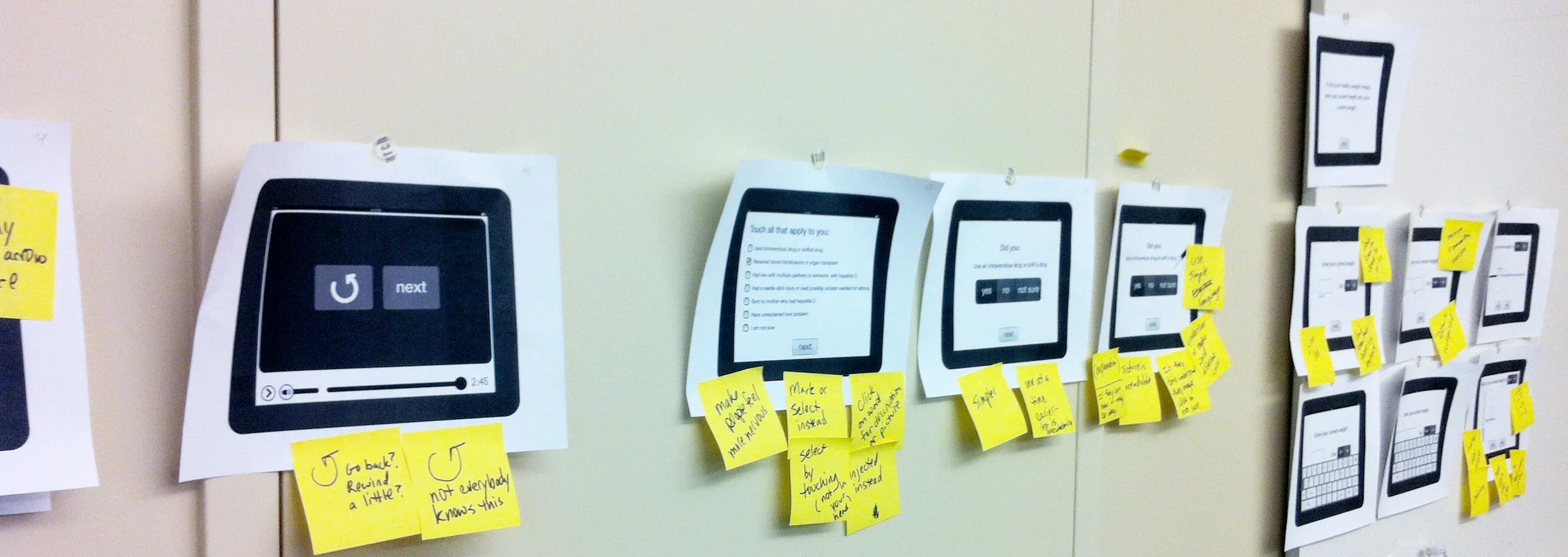
Feedback on wireframes
Feedback Informing Key Decisions
We facilitated design sessions with patient advisory groups, gathered feedback, and collaborated with the research team to help build the app. “It’s actually very hard to develop an app that’s informative, engaging, and concise,” says Dr. Tung Nguyen, Professor of Clinical Medicine at UCSF. Community and patient input was critical throughout development, guiding decisions on how to phrase questions to avoid misunderstandings and how to design touch-screen response buttons for optimal usability.
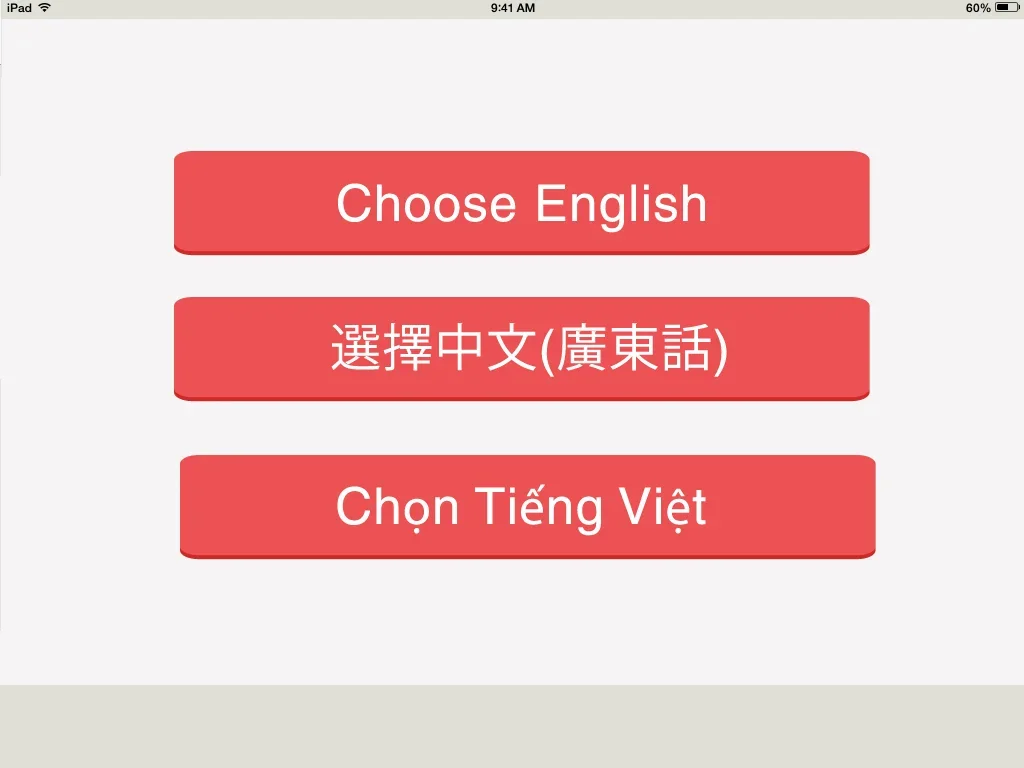
Available in three languages
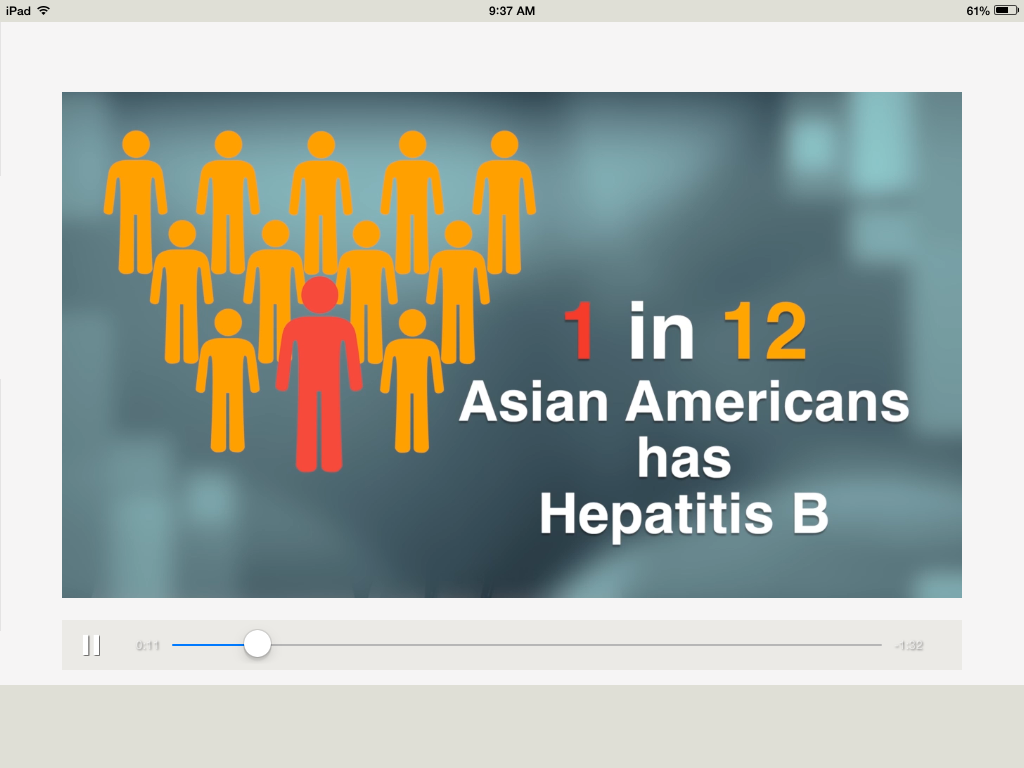
Key content delivered through videos
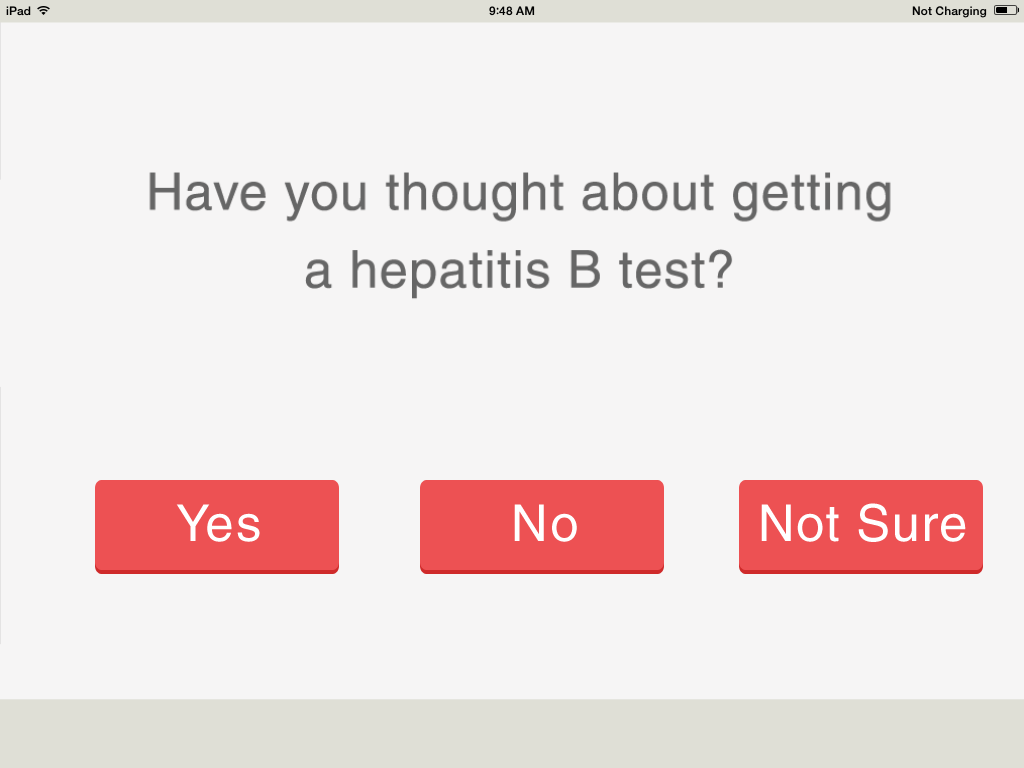
Personalized recommendations via an algorithm
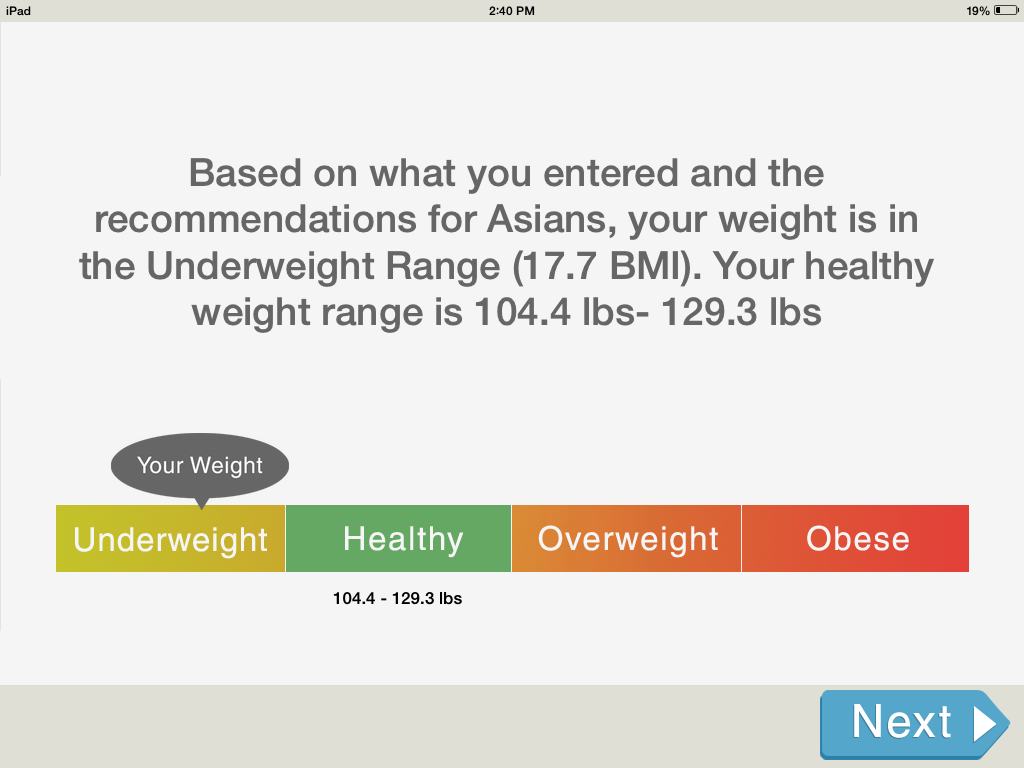
Weight-range recommendation
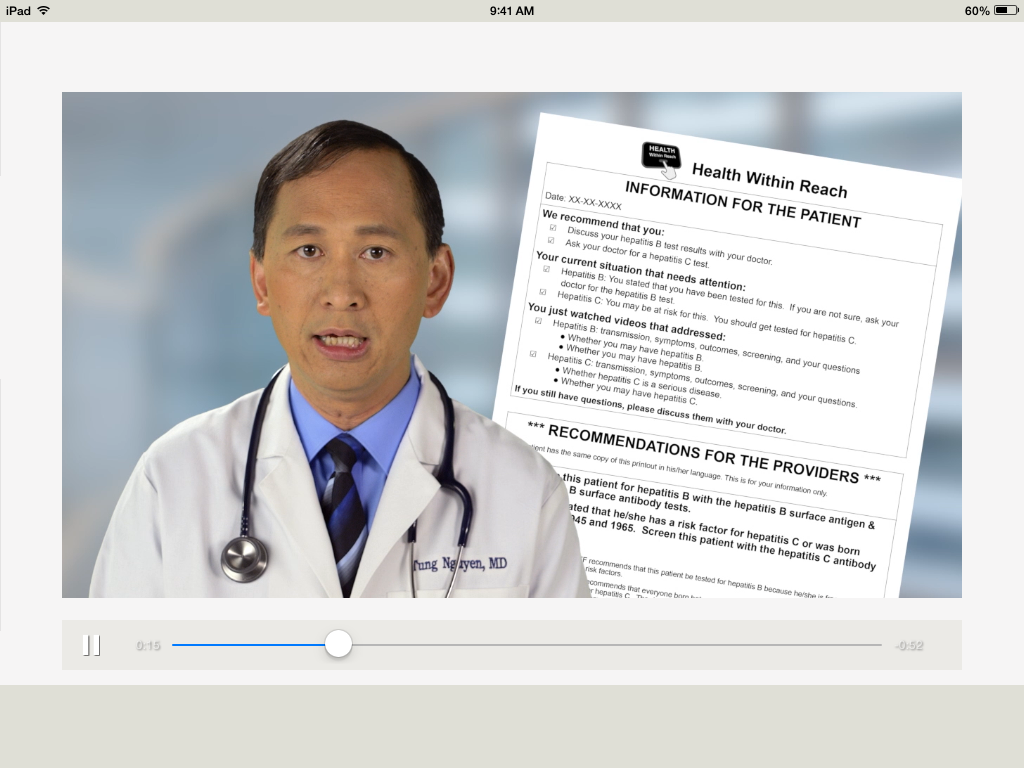
We created clear, easy-to-follow, multilingual instructional forms for patients.
My Work
Facilitated participatory workshops: identified content and style preferences, and assessed clarity of prompts and functionality
Wireframed and designed interactions
Designed website, icons, and visual identity
Designed user-friendly forms
Developed style guide and collaborated with vendors
Outcomes and Impact
The project conducted a trial with 416 participants in the San Francisco Bay Area who had never undergone hepatitis screening. Testing concluded that a “Multi-lingual educational intervention using a mobile application in primary care clinics was well received by Asian American patients, enhanced patient-provider communication about HBV, and increased HBV screening. Technology can improve healthcare quality among Asian Americans”.
Literature:
Health Within Reach—a Patient-Centered Intervention to Increase Hepatitis B Screening Among Asian Americans: a Randomized Clinical Trial “Results: Participants had a mean age of 57 years and were 64% female, 80% foreign-born, and 44% with limited English fluency. At post-visit, over 80% of intervention participants reported they liked using the Hepatitis App. At 3-month follow-up, the intervention group was more likely than the comparison group (all P < 0.001) to have discussed HBV with their provider (70% vs.16%), have a HBV test ordered (44% vs.10%), and receive a HBV test (38% vs.8%). In multivariable analyses, the intervention odds ratio for HBV test ordering was 7.6 (95% CI: 3.9, 14.8) and test receipt was 7.5 (95% CI: 3.6, 15.5).”
Comparing Ways to Increase Hepatitis B and C Screening among Asian Americans